Namugongo, just outside Kampala, honours the Uganda Martyrs and welcomes pilgrims from across Africa. Here's the history, what to see and how to plan a visit or group pilgrimage.
Who were the Uganda Martyrs?
The Uganda Martyrs were young Christian converts, Catholic and Anglican, at the court of the Kabaka of Buganda in the 1880s. They were put to death for refusing to give up their faith. Many were killed at Namugongo, east of Kampala. The Catholic martyrs were later declared saints, and today Namugongo is one of Africa's most important Christian pilgrimage sites.
The shrines at Namugongo
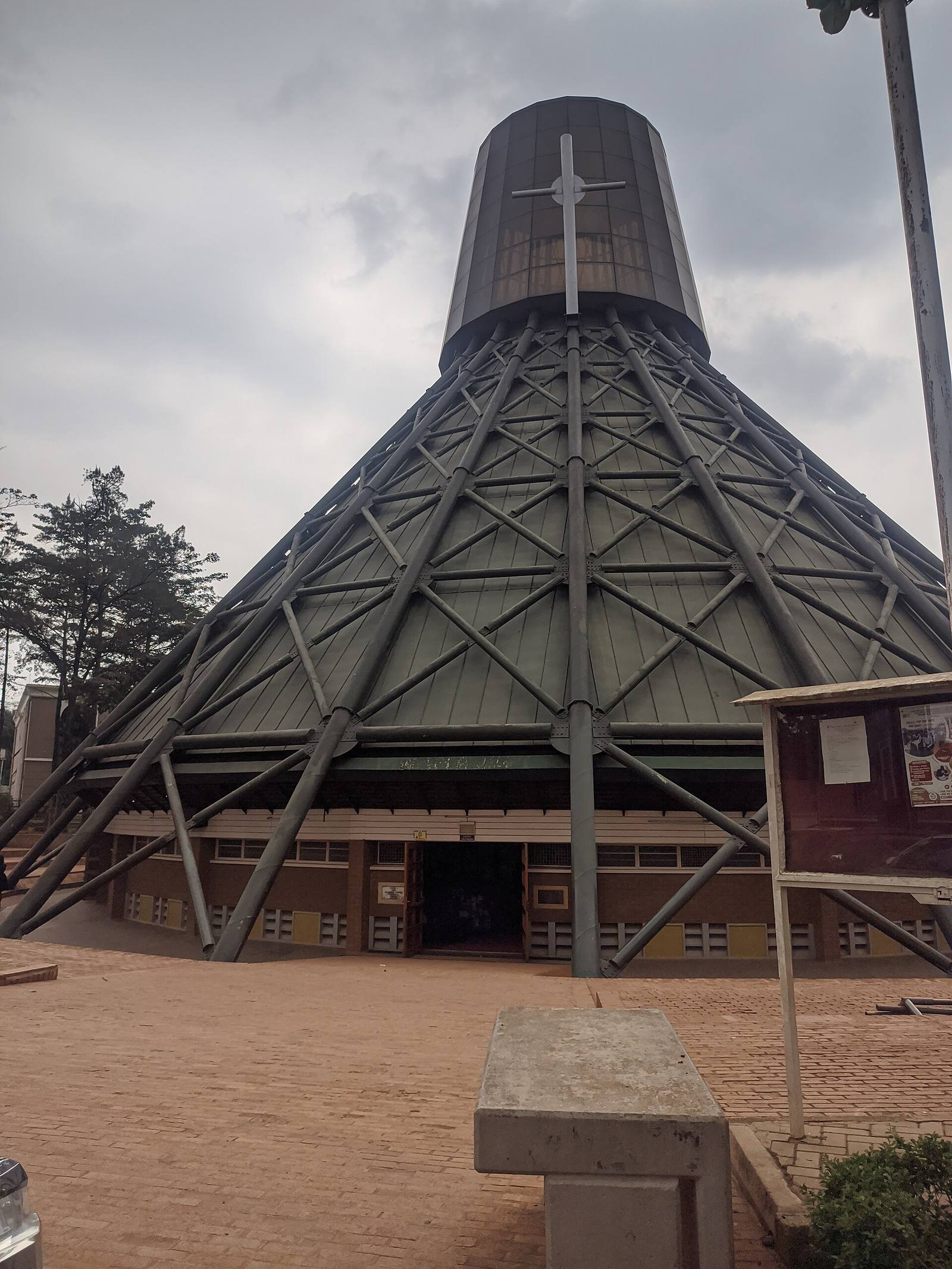
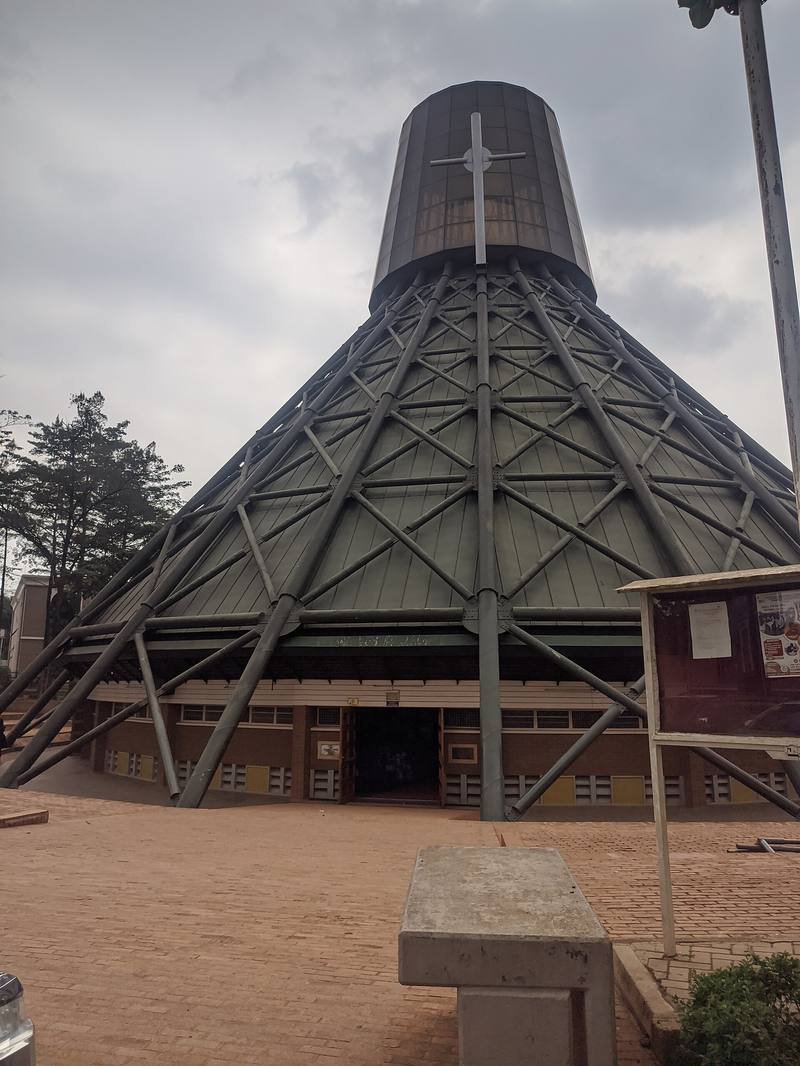
- The Catholic Basilica of the Uganda Martyrs, a striking building inspired by the shape of a traditional African hut, with a peaceful lake and grounds nearby.
- The Anglican Uganda Martyrs Shrine and museum, which tells the story of the Anglican martyrs.
Martyrs Day
Each June, Martyrs Day draws enormous crowds to Namugongo. Pilgrims come from across Uganda and neighbouring countries, many walking for days. It's a moving experience, but it needs careful planning:
- Book transport and accommodation well in advance.
- Expect very large crowds and heavy traffic around Kampala and Namugongo.
- Arrive early and agree a meeting point for your group.
- Carry water, sun protection and something to sit on.
Visiting at other times
Outside Martyrs Day, Namugongo is calm and reflective, which makes it ideal for church groups, school trips and individual pilgrims. Dress modestly, follow the guidance of the shrine staff, and ask before photographing services or people at prayer.
Combine with Kampala's places of worship
Many groups visit Namugongo as part of a wider faith itinerary, including Kampala's cathedrals, mosques and the Bahá'í Temple. Our Uganda Religious Sites Tour (2 days, from US$160 per person) is a good starting point.
Frequently asked questions
Where is Namugongo?
East of central Kampala, usually reached by road in under an hour, depending on traffic.
Can you organise a group pilgrimage?
Yes. We arrange transport, accommodation and programmes for church and pilgrim groups. See group & pilgrimage travel.
When is the quietest time to visit?
Any time outside the Martyrs Day period, when the shrines are peaceful.
Need help with this? See our group & pilgrimage travel service, or message us on WhatsApp.

Star Discovery planning team
Our Kampala-based team plans safaris, gorilla treks, cultural tours, flights, visas and group travel across Uganda, Rwanda and beyond.